
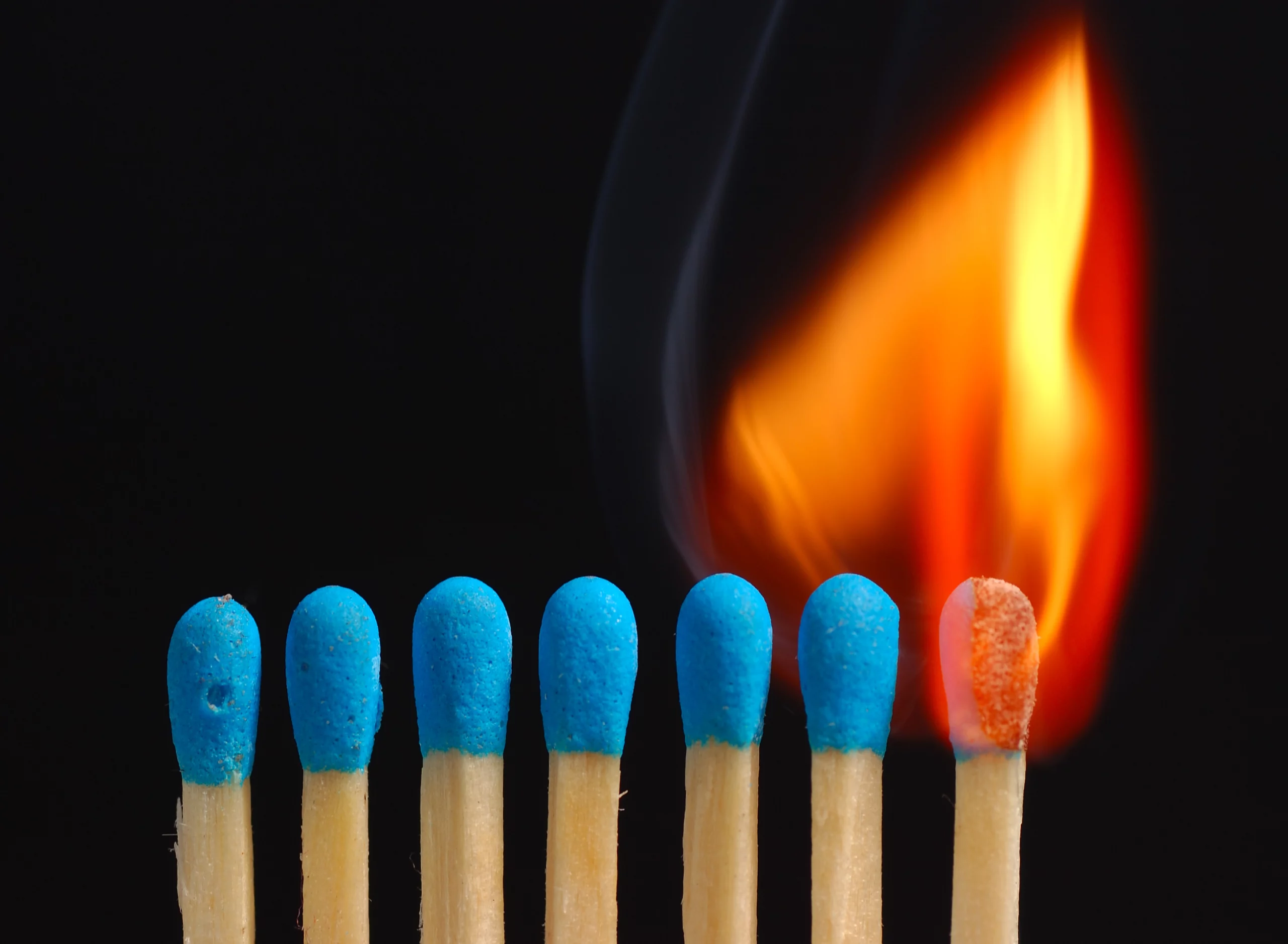
How to Control Anger Immediately
Anger is a powerful and natural emotion that everyone experiences. And while many people seek to control anger immediately upon feeling it, our goal shouldn’t be to control anger – it should be to manage our response to it.
Anger isn’t inherently bad; in fact, it serves a purpose in our lives. Anger can motivate us to address injustices, protect ourselves and others from harm, and set boundaries. It can be a force for good when channeled constructively. It can help us communicate our needs, express our feelings, and motivate us to make positive changes in our lives. In some situations, anger can be a catalyst for growth and problem-solving.
However, like any emotion, anger can prompt negative reactions, too. Uncontrolled anger can lead to destructive behaviour. It can damage relationships, harm our physical and mental health, and hinder effective communication. Learning to manage anger is essential for maintaining healthy relationships and general well-being.
Why anger comes suddenly
Anger, at times, can feel like it comes out of nowhere. It can be helpful to understand why this happens.
Anger can be triggered by external events or internal thoughts, feelings, and memories. It can arise suddenly due to stress, frustration, or feeling threatened. In such times, we are often in a state of fight or flight, with many changes occurring in our bodies, such as increased adrenaline. For this reason, anger might feel like it comes suddenly and without warning, catching us off guard.
How to recognise anger
Recognising anger is the crucial initial step in gaining control over this powerful emotion and regulating our response to it. And we can recognise it by how it manifests, both physically and mentally.
Recognising anger in your body
When we’re angry, our:
Heart rate and blood pressure increase: When we start to experience anger, our heart rate and blood pressure can spike. This physiological response is a sign that the body is gearing up for a fight-or-flight reaction.
Muscles tense, especially in the jaw and shoulders: Anger causes us to tense our muscles in preparation for a fight or for fleeing. Clenched fists and a rigid posture are common physical manifestations of anger.
Face feels hot or flushed: Many people report a sensation of heat in their face or a reddening of their cheeks when they become angry. This redness is due to increased blood flow, a result of the body’s heightened alertness.
Recognising anger in your mind
Anger often accompanies other emotions, making it difficult to recognise on its own. For instance, we might feel embarrassed and angry, or ashamed and angry, or hurt and angry.
Becoming aware of the thoughts that characterise anger can help us distinguish this emotion for others. While the thoughts that characterise anger will be different for everyone – and will differ between situations and triggers – there are some general commonalities such as:
- “I can’t believe they did that!” Anger often begins with a cognitive response to a perceived injustice or wrong. Thoughts like this one signal the onset of anger.
- “This is so unfair!” Anger can intensify as we dwell on the perceived unfairness of a situation. This type of thought can further fuel anger.
- “I’m feeling really upset/agitated.” Acknowledging your emotional state is another mental cue. This self-awareness is an important step in recognising that anger is taking hold.
Understanding these physical and mental cues is like having a compass that guides us through the landscape of our emotions. By becoming more attuned to these signs, we can catch anger in its early stages, giving us the opportunity to respond in a more constructive and controlled manner.
Is anger a mental health issue?
Anger, as a fundamental human emotion, is not inherently a mental health issue. It’s a natural response to various situations and stimuli, and it plays a critical role in our psychological makeup. In fact, anger can sometimes be a necessary and healthy emotion, helping us set boundaries, protect ourselves, and address injustices.
However, anger can become a mental health concern depending on how we express and manage it.
Extreme anger (and related emotions like irritation, impatience, or frustration) that is consistently unmanageable or disproportionate to the situation can indeed be a sign of underlying mental health concerns. And chronic, persistent anger can lead to physical symptoms like headaches, digestive issues, and increased stress. It can also contribute to withdrawal and a sense of isolation.
Both experiences of anger are associated with conditions such as depression, anxiety, or certain personality disorders. But the ultimate marker of anger (or a related emotion) as a mental health concern is when the emotion disrupts our relationships, work, or daily functioning.
How to control anger immediately
Again, our goal shouldn’t be to control anger – it should be to manage our response to it in the moment. We don’t want to stop feeling – we can’t – but we can calm our reaction to it and activate the part of the brain that allows us to reason and take considered actions. The following steps can be helpful in calming our immediate reaction to feeling anger:
- Taking a timeout: When you feel anger rising suddenly, step away from the situation if possible. Removing yourself from the source of frustration provides a moment to cool down and gain perspective.
- Naming what you feel: When you feel yourself starting to feel upset, put a name to the emotion – say “I feel angry” even if you’re just speaking to yourself. When we name an emotion, it helps us activate the part of the brain that helps us manage our response to it.
- Doing a deep breathing exercise: Practise deep breathing techniques, which can calm your body’s physical response to anger. Inhale slowly through your nose for a count of four, hold for four, exhale through your mouth for four, and hold for four. Repeat this process several times until you feel your body calm.
- Finding healthy ways to express your anger: Try using art, writing, or physical activity to release anger when it feels overwhelming. These outlets can help you process your emotions without harming yourself or others.
How to manage anger long term
Certain skills can help us feel more in control of our anger and less overwhelmed by it. These take time and practice, but investing in building these skills can lead to better mental and emotional health, greater well-being, and more balanced, peaceful lives long term. These skills include:
- Learning to recognise triggers and patterns: Keep a journal to track situations or events that trigger the emotion. Look for common themes or patterns. The best way to get anger under control quickly is to understand what sets off your anger and prepare how to respond differently.
- Improving communication skills: Improve your communication skills, particularly assertive communication. Learn how to express your feelings and needs in a direct but respectful manner. Effective communication can prevent misunderstandings that lead to anger.
- Practising stress reduction techniques: Incorporate stress reduction practices into your daily routine. These can include mindfulness meditation, yoga, or hobbies and activities that bring you joy. Reducing overall stress can make you less prone or slower to anger.
- Seeking professional help: Try therapy, whether digital or 1-on-1. Therapy can help you delve deeper into the underlying causes of your anger and provide personalised strategies for managing it.
While it’s normal to experience anger, recognising when it starts to control us, instead of us managing it, is critical to a peaceful, balanced life and relationships. By understanding why anger arises suddenly, recognizing its physical and mental signs, and implementing immediate techniques to calm down and long-term strategies to reduce the frequency and intensity of anger, we can gain control over this powerful emotion.
—
Read related articles:
- Can Emotions Be Controlled? (Mitsu)
- Feeling Bad About Yourself? Try Self-Kindness to Feel Better (Mitsu)
- How to Identify and Challenge Negative Thoughts (Mitsu)
- Control Anger Before It Controls You (American Psychological Association)
- Why Am I So Angry? (Healthline)
—
Raksha Rajesh (M.Sc., M.Phil., CRR No. A80195) is a clinical psychologist licensed by the Rehabilitation Council of India (RCI). She has 5+ years of experience in helping people from diverse backgrounds build skills to understand and manage their emotions.
Share