
Build a lifetime of
A self-therapy program guided by your dedicated therapist.
A self-therapy program guided by your dedicated therapist.
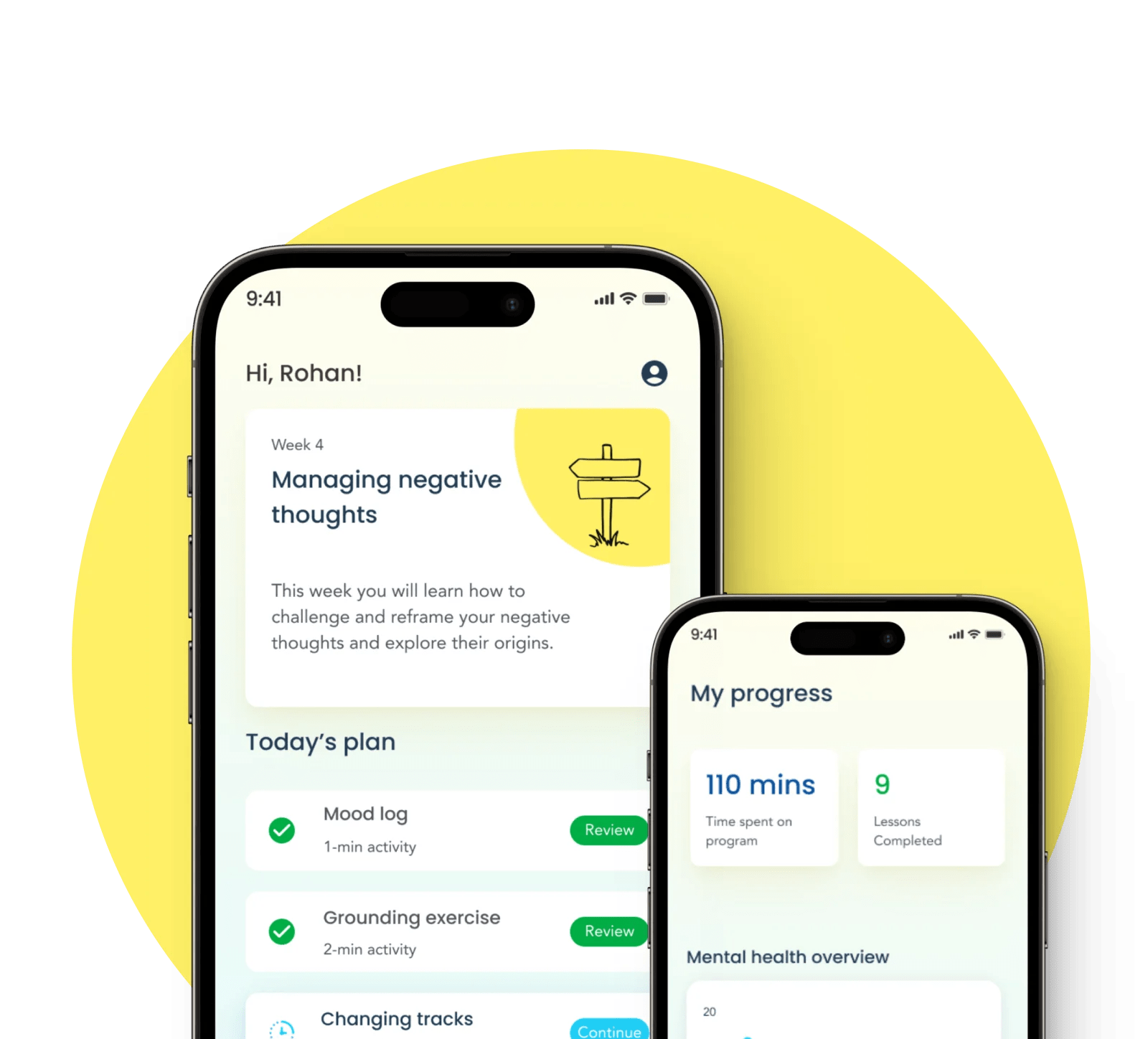
What makes Mitsu unique?
What makes Mitsu unique?

Mitsu’s 8-week program offers

Convenience
Only 30 minutes of in-app work per week, at any time, from anywhere. No matching schedules and fixing appointments with a therapist!

Control
Self-led, self-paced lessons enable you to take charge of your mental well-being long term.

Support
Continuous access to a dedicated therapist via chat, voice notes, and calls. No waiting until the next therapy session to ask questions or share feelings!

Structure
Organised, weekly, step-by-step themes that simplify 20+ years of research.

Privacy
Peace of mind from knowing everything in the app is confidential and password-protected.
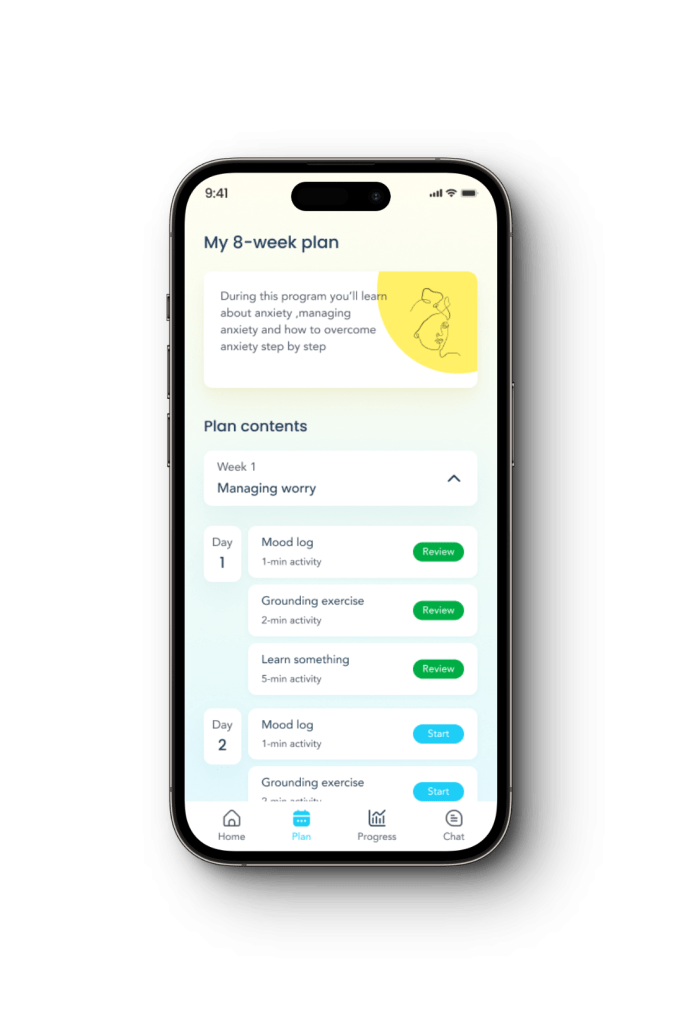
Program highlights
- Lifetime access to engaging video lessons & activities
- Unlimited chat with a therapist dedicated to you for 10 weeks.
- Two calls with your therapist whenever you want*
- Check-ins at the start, middle, and end to track your progress
*Additional calls at a nominal fee
What members say about Mitsu
How effective is Mitsu?
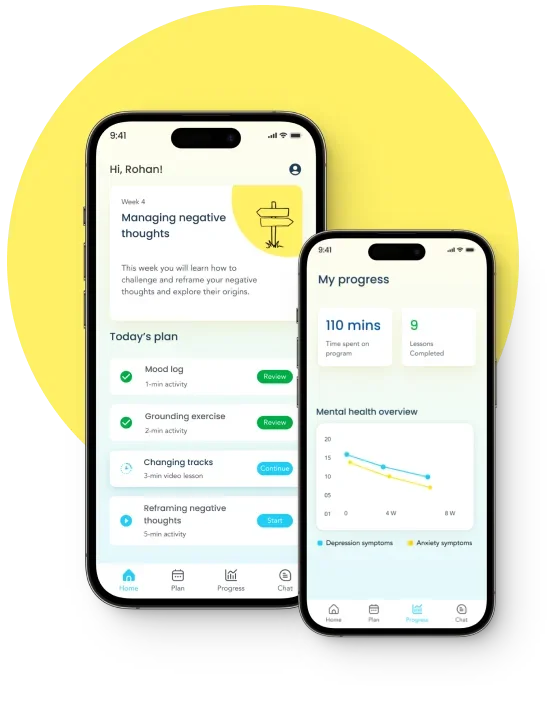
On average, our members experience:
80% decrease in depression-related symptoms
Note: Actual data of program members who have completed at least 4 weeks of the program. Last updated on 11 January 2024.
Note: Actual data of program members who have completed at least 4 weeks of the program. Last updated on 11 January 2024.
81% decrease in anxiety-related symptoms
Note: Actual data of program members who have completed at least 4 weeks of the program. Last updated on 11 January 2024.
What will I get from Mitsu?
Our members see their depressive and anxiety symptoms reduce by 51% and 46% respectively, after completing just 4 weeks of the program.

- Spot what triggers your negative thoughts and feelings
- Calm your body and mind when feeling sad, worried, or overwhelmed
- Observe your negative thoughts without judgement and reframe them in a more balanced way
- Replace negative self-talk with supportive, enabling self-talk
- Orient your life around what truly matters to you
- And much more …
With this set of skills, you’ll have a strong foundation for managing your mental well-being for life.
What’s in Mitsu’s 8-week program?
- Linking triggers, thoughts & feelings
Learn to identify what triggers your negative thoughts and feelings and understand how they are connected. - Examining negative thoughts
Learn how to become an observer of your negative thoughts in order to interrupt negative overthinking. - Managing negative thoughts
Learn techniques to challenge and reframe your negative thoughts and explore their origins. - Practising self-compassion
Learn how to replace negative, critical self-talk with empowering, compassionate self-talk. - Finding meaning
Learn how to set goals that enable more peace of mind and a more meaningful life.
Watch this video to learn more
What if I have more questions?
No problem! You can find more details in the FAQ section below or simply send us a message on WhatsApp and we will be happy to help.
Frequently Asked Questions
The Mitsu.care program is for anyone (18+) feeling stressed, anxious, or depressed, who is ready to make a change in their life in order to feel better.
More specifically, Mitsu is for anyone struggling with a range of negative thought, emotional, and behavioural patterns – such as excess worry; overthinking; dwelling on the past; negativity and hopelessness; self-criticism and worthlessness; chronic guilt, shame, or sadness; persistent procrastination or demotivation; or emotional overwhelm – who wants to learn how to recognise and replace them with healthier patterns.
Mitsu.care includes:
- Lifetime access to engaging videos that explain key concepts and techniques
- Lifetime access to evidence-based skill-building activities
- Lifetime access to evidence-based calming techniques
- 10 weeks of unlimited chat support from an experienced therapist
- 2 video calls with your therapist whenever you want them within the first 10 weeks
- Daily mood tracking and journaling
- Reminders and prompts to keep going
- Additional calls and extended chat support from your therapist are available at an additional cost
The 8-week program costs Rs. 4000.
Yes! The average Mitsu member experiences an 80% decrease in their symptoms of poor mental health after 8 weeks in our program.
Members tend to notice smaller improvements earlier, however, at the midpoint of the program. By 4 weeks, Mitsu members experience ~45% decrease in their symptoms on average.
Mitsu’s program was developed by our in-house team of clinical psychologists, led by our Head of Clinical Program, Dr. Mrigaya Sinha, Ph.D. (NIMHANS) and Post-Doc (Staunton Clinic, USA).
Dr. Sinha’s expertise ensured the program is evidence-based, meaning it is rooted in some of the most-studied and beneficial modes of therapy for people struggling with stress, anxiety, and depression symptoms. These include cognitive behavioural therapy (CBT), mindfulness, and acceptance and commitment therapy (ACT), each of which has a strong body of evidence attesting to their effectiveness. For more information on this research, visit our Evidence page.